
Lessons Learned from Mount Stupid
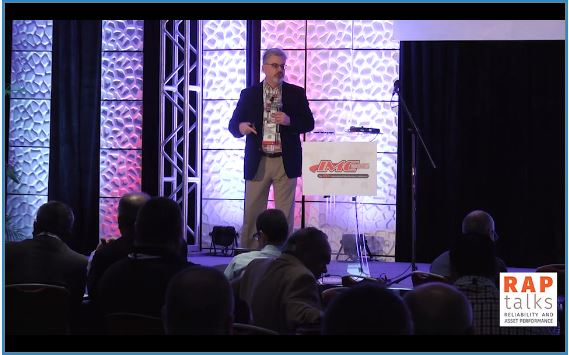


Our guest in this episode of “State of Readiness” is Donald Kuk; continuous improvement expert extraordinaire. He started his continuous improvement journey in the mid-1990’s at General Electric when he was personally selected by Jack Welch to join Jack and a select group of others senior leaders at GE in the very class to be…
Survey Analysis: What Makes a Change Agent Great? Toward the end of 2014, XONITEK and Smart Work | Network, Inc. (SW|NW) initiated a joint research project. This research will ultimately produce a psychometric profile that can be used to predict which potential Change Agents are statistically likely to be successful in that role. As the…
Operational Excellence Business Systems – Lean – Six Sigma e-Course Title: Operational Excellence: Business Systems – Lean – Six Sigma Duration: 30 Hours of Instruction and One-on-One Interactive Review10 Week Course; 3 Hours Per Week Dates: July 24, 2007 to September 28, 2007 Time: Tuesday (Live Instruction): 930am-1130am ESTFriday (Interactive Review; 1hour): Time To Be…
“AMAZON.COM: Rewolucyjny model sprzedaży i logistyki”, published in the July 2011 issue of Eurologistics Magazine – in Polish. Download PDF
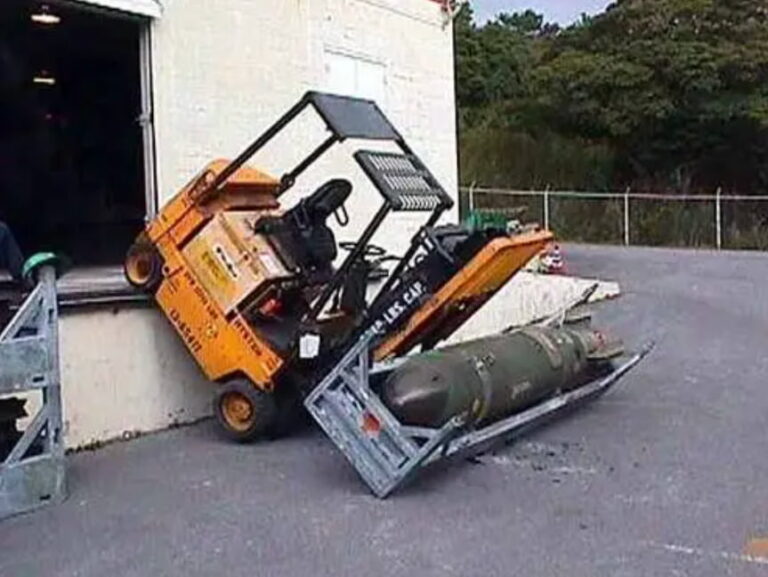
Several years ago I was at an Operational Excellence Conference here in Frankfurt. As with most talks, the speaker started by introducing the company he worked for and what it did. He then proceeded to list the companies values, of which there were five or so. The last value on the list was “Safety” to…
Many complex manufacturing businesses have come to understand that operational excellence is an on-going process in which companies strive to produce better results. It has an inherent collaborative nature and typically includes participation from all parts of the organization. But the challenge in manufacturing today is that the metrics upon which the business silos of…
Affiliated Organizations